Dwola API Overview: ACH Infrastructure, Integration Strategy & Compliance Insights
 hernandezyuman390@gmail.com
Introduction
API-based financial infrastructure has become foundational for fintech platforms, SaaS products, and marketplaces that need to move money between bank accounts efficiently. ACH-based transfer systems are widely used for recurring billing, vendor payouts, and account-to-account transactions.
Dwola is often referenced in conversations around ACH payment APIs and embedded finance tools. This article provides a structured, informational overview of dwola’s infrastructure model, technical capabilities, and compliance considerations. The content is educational and does not constitute financial or legal advice.
What Is Dwola?
Dwolla is a financial technology company that provides ACH payment infrastructure through an API-first model. Rather than operating as a consumer-facing wallet, dwola enables businesses to embed bank transfer capabilities directly into their own platforms.
The primary focus is on direct bank-to-bank transfers using ACH rails.
Infrastructure & API Architecture
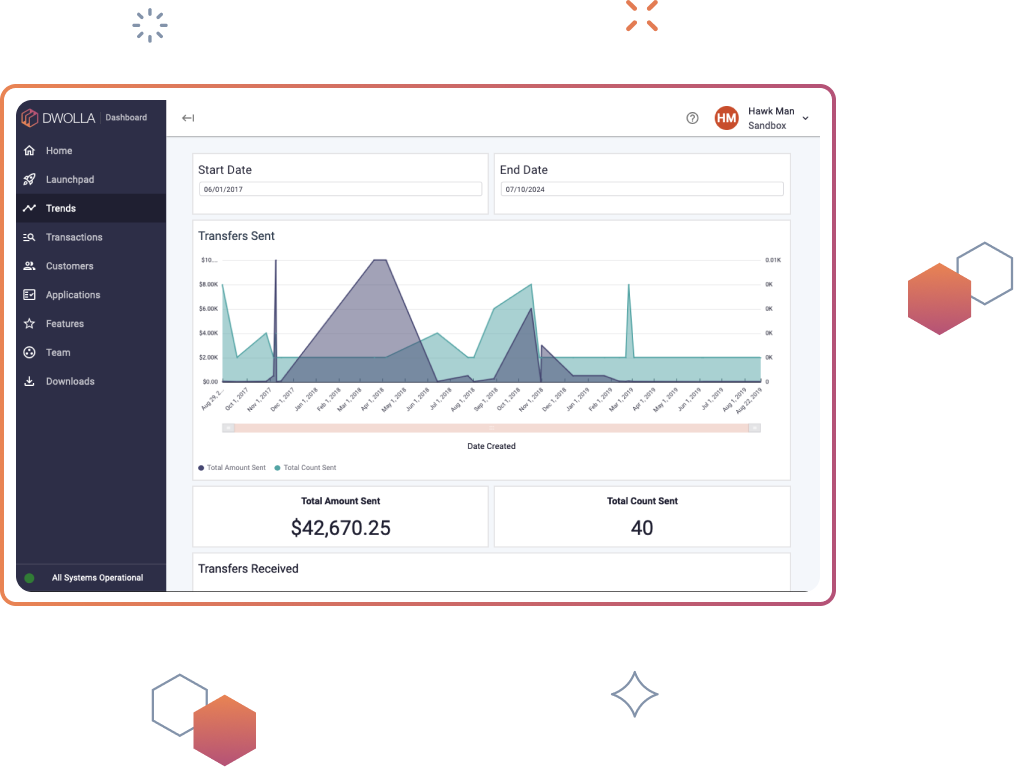


4
Dwola’s infrastructure is designed for programmatic integration. Key components typically include:
- RESTful API endpoints
- Webhook event notifications
- Token-based authentication
- Sandbox testing environments
Developers integrate these tools to initiate and monitor ACH transactions within custom applications.
Core Payment Capabilities
Dwola infrastructure commonly supports:
ACH Bank Transfers
Businesses can initiate transfers between verified U.S. bank accounts using automated clearing house (ACH) rails.
Recurring Transactions
API endpoints allow for recurring billing workflows in subscription-based platforms.
Mass Payouts
Marketplaces may use dwola to distribute funds to multiple recipients.
Account Verification
Bank account verification processes help confirm ownership before initiating transfers.
Common Business Use Cases
Dwola may be integrated into:
- SaaS platforms managing subscription payments
- Marketplaces distributing vendor payouts
- Fintech applications moving funds between users
- Platforms requiring bank-based recurring billing
Each implementation depends on regulatory requirements and transaction volumes.
Compliance & Regulatory Framework
ACH-based payment systems operate under strict regulatory standards. Businesses evaluating dwola should review:
- KYC (Know Your Customer) requirements
- AML (Anti-Money Laundering) policies
- NACHA operating rules
- Data encryption standards
- Partner financial institution relationships
Legal and compliance review is essential before implementation.
Security & Data Protection
Dwola generally incorporates industry-standard safeguards such as:
- Encrypted API communications
- Access tokens and authentication controls
- Role-based permissions
- Monitoring systems for suspicious activity
Security architecture should be evaluated according to organizational risk policies.
Developer Integration Process
Businesses integrating dwola typically follow these steps:
- Review developer documentation
- Create sandbox credentials
- Build and test API calls
- Configure webhook notifications
- Complete compliance onboarding
- Transition to production environment
Technical teams should thoroughly test transaction flows before launch.
Dwola vs Traditional Card Processors
| Feature | Card-Based Processors | Dwola |
|---|---|---|
| Card Network Dependency | Yes | No |
| ACH Transfers | Limited | Core focus |
| API-First Model | Varies | Yes |
| Recurring Bank Billing | Possible | Supported |
| Direct Bank-to-Bank Transfers | Partial | Primary feature |
Dwola’s ACH-centered approach may reduce reliance on card networks for certain use cases.
Operational Considerations
Before integrating dwola, businesses should evaluate:
- Expected transaction volume
- Settlement timing requirements
- Risk management procedures
- Compliance overhead
- Technical development resources
Proper planning reduces operational disruption.
Conclusion
Dwola provides ACH-based payment infrastructure through an API-first design, enabling businesses to embed bank transfer capabilities within their applications. Organizations evaluating dwola should conduct technical, compliance, and operational assessments before integration.
This article is informational and does not provide financial or legal advice.